Diabetes
All You Need to Know About Diabetes
Understand what diabetes is, how it develops, and practical steps you can take to prevent, monitor, and manage it for a healthier life.

What Is Diabetes?
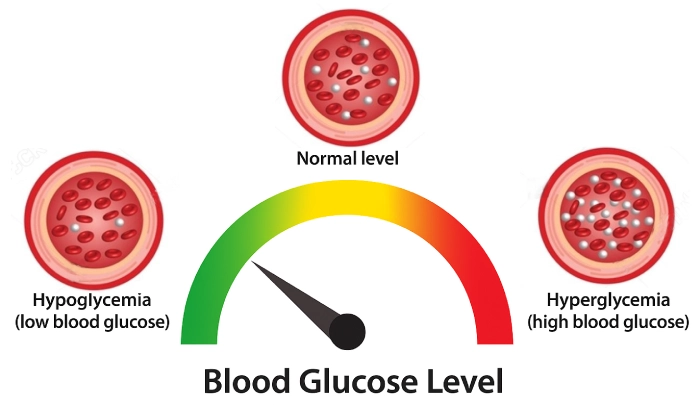
Diabetes is a chronic metabolic disorder in which the body either does not produce enough insulin or cannot use it effectively. Insulin is a hormone essential for regulating blood sugar levels. When this balance is disrupted, glucose accumulates in the bloodstream, leading to hyperglycemia. If left unmanaged, prolonged high blood sugar can result in serious complications affecting the heart, kidneys, eyes, nerves, and other vital organs and systems.
Types of Diabetes
Type 1 Diabetes
Type 1 diabetes is an autoimmune disorder where the body’s immune system mistakenly attacks and destroys insulin-producing beta cells in the pancreas. As a result, the body produces little to no insulin, leading to dangerously high blood sugar levels. This type is most often diagnosed in children, teens, or young adults, but it can occur at any age. People with Type 1 diabetes require lifelong insulin therapy and regular monitoring to manage their condition effectively.
Type 2 Diabetes
Type 2 diabetes is the most prevalent form of diabetes, usually developing in adults over 40 but increasingly seen in younger populations due to sedentary lifestyles and poor diet. It occurs when the body becomes resistant to insulin or doesn’t produce enough of it. Often linked to obesity, family history, and lack of physical activity, Type 2 diabetes can often be managed or even reversed through lifestyle changes, medication, and ongoing monitoring of blood sugar levels.
Gestational Diabetes
Gestational diabetes occurs during pregnancy when hormonal changes interfere with the body’s ability to use insulin effectively. It usually appears in the second or third trimester and can lead to complications for both mother and baby if not managed properly. Although it often resolves after childbirth, women who experience gestational diabetes have a higher risk of developing Type 2 diabetes later in life. Proper prenatal care, a balanced diet, and regular exercise are crucial for managing this condition.

Recognizing Symptoms & Underlying Causes
Common Symptoms:
- Frequent urination • Excessive thirst • Unexplained weight loss • Fatigue
- Blurred vision • Slow-healing wounds
Primary Causes:
- Autoimmune destruction of β-cells (Type 1)
- Insulin resistance + lifestyle factors (Type 2)
- Hormonal changes during pregnancy (Gestational)
How Diabetes Is Diagnosed
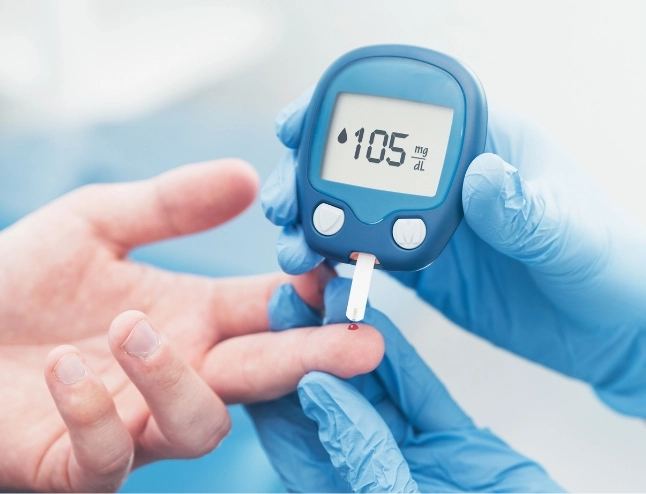
Diabetes is diagnosed through a series of clinical tests that evaluate how your body processes glucose. These tests help identify high blood sugar levels, either in a fasting state or after food intake. The most common diagnostic tools include the Fasting Plasma Glucose (FPG) test, the Oral Glucose Tolerance Test (OGTT), and the HbA1c test, which provides an average blood sugar level over the past three months. Random blood glucose tests may also be used when symptoms are present. Early and accurate diagnosis is crucial for effective diabetes management and long-term health.
- Fasting Plasma Glucose (FPG): Measures blood sugar after an overnight fast.
- Oral Glucose Tolerance Test (OGTT): Sugar drink + blood tests over two hours.
- HbA1c (Glycated Hemoglobin): 3‑month average blood glucose level.
- Random Plasma Glucose: Taken any time of day when symptoms present.